

Vitamin D is a crucial fat-soluble nutrient that regulates the calcium-phosphate balance in the body, supports the absorption of these minerals in the intestines, and is responsible for proper bone mineralisation. But its role extends well beyond bone health — vitamin D receptors are found in virtually every tissue in the body, from immune cells to cardiac muscle to brain tissue, which explains why its deficiency has consequences far beyond the skeleton. Despite being called the "sunshine vitamin," vitamin D insufficiency is one of the most common nutritional deficiencies in Europe, affecting a significant proportion of the population particularly during autumn and winter months.
Vitamin D2 vs Vitamin D3: What Is the Difference?
Vitamin D exists in two biologically relevant forms. Vitamin D2 (ergocalciferol) is derived from plant sources — primarily UV-exposed fungi and yeasts — and is used in some fortified foods. Vitamin D3 (cholecalciferol) is the form produced in human skin upon exposure to UVB radiation, and is found in animal-derived foods including fatty fish, egg yolks, and liver. It is also the form used in most quality supplements.
The practical distinction matters: research consistently shows that vitamin D3 raises and sustains serum 25(OH)D levels more effectively than the equivalent dose of D2. D3 is approximately 87% more potent in raising blood levels and has a longer half-life in the body. For supplementation purposes, D3 is the preferred form for most people. Our dedicated vitamin D collection covers a wide range of D3 options from trusted brands across multiple dosage levels.
What Does Vitamin D3 Do in the Body?
Bone and Dental Health
Vitamin D3's most established role is enabling calcium and phosphorus absorption in the gut. Without adequate vitamin D, the body cannot efficiently absorb dietary calcium — regardless of how much is consumed. This is why calcium supplementation without adequate vitamin D is substantially less effective for bone density. D3 also regulates osteocalcin and osteoclast activity, contributing to continuous bone remodelling. Insufficient vitamin D leads to reduced bone mineralisation: in children this manifests as rickets (softening and deformation of bones), and in adults as osteomalacia (bone pain, muscle weakness) and, over time, increased osteoporosis risk. Browse our bone, joint and cartilage collection for products addressing bone health comprehensively.
Immune System Function
Vitamin D3 has direct immunomodulatory effects. It activates both innate and adaptive immune responses, supports the production of antimicrobial peptides (including cathelicidins, which help defend against bacterial and viral pathogens), and helps regulate inflammatory responses. Adequate vitamin D levels are associated with reduced susceptibility to respiratory infections and lower incidence of autoimmune conditions including multiple sclerosis and type 1 diabetes. The link between low vitamin D status and increased infection risk is particularly relevant during the winter months in northern and central Europe, when UVB radiation is insufficient for cutaneous synthesis. Our immune system supplements include vitamin D3 alongside other immune-supporting nutrients.
Muscle Function
Vitamin D receptors are present in muscle tissue, and D3 plays a direct role in muscle protein synthesis, calcium handling within muscle cells, and the maintenance of fast-twitch muscle fibre function. Deficiency is associated with muscle weakness, reduced grip strength, and increased risk of falls — particularly in older adults. This makes vitamin D status a relevant consideration not just for bone health, but for overall physical resilience and functional independence as we age.
Mood and Mental Health
Vitamin D receptors are present in areas of the brain involved in mood regulation, and low vitamin D levels have been consistently associated with increased risk of depression and seasonal affective disorder (SAD). Supplementation studies in individuals with low vitamin D status show improvements in mood outcomes. While vitamin D is not a treatment for depression, maintaining adequate levels throughout the year — including winter months — is a reasonable component of mental wellbeing support.
Cardiovascular and Metabolic Health
Observational research links low vitamin D levels to increased cardiovascular risk, including hypertension, reduced heart muscle function, and elevated inflammatory markers. Vitamin D also appears to influence insulin sensitivity and glucose metabolism, with deficiency associated with increased risk of type 2 diabetes. The mechanisms are not yet fully characterised, and clinical trials have produced mixed results on whether supplementation reduces cardiovascular events — but maintaining optimal vitamin D status remains broadly supported by evidence for overall metabolic health.
Signs of Vitamin D Deficiency
Deficiency develops slowly and its early signs are non-specific, which is why it often goes undetected without blood testing. Symptoms associated with low vitamin D include:
- Persistent fatigue and general weakness
- Bone pain and muscle aches, particularly in the back, hips, and legs
- Muscle weakness and reduced physical performance
- Frequent infections, especially respiratory
- Low mood and depressive symptoms, especially in winter
- Impaired wound healing
- Hair loss (in severe or prolonged deficiency)
Severe deficiency has more pronounced consequences: in infants and young children, rickets causes skeletal deformities, delayed fontanel closure, and impaired dental development. In adults, prolonged severe deficiency leads to osteomalacia and significantly accelerated bone loss.
Food Sources of Vitamin D
Very few foods naturally contain meaningful amounts of vitamin D, which is why diet alone rarely provides sufficient quantities — particularly for people with limited sun exposure:
- Fatty fish (salmon, mackerel, herring, sardines) — the richest natural food sources, providing 300–600 IU per 100g
- Cod liver oil — one of the most concentrated food sources, with approximately 400–1000 IU per teaspoon
- Egg yolks — moderate amounts, approximately 20–40 IU per yolk
- Liver — beef and chicken liver contain modest amounts
- UV-exposed mushrooms — can provide D2 when exposed to sunlight; levels vary considerably
- Fortified foods — dairy products, plant milks, and some breakfast cereals are fortified in many European markets
For context: a typical mixed diet provides approximately 100–200 IU of vitamin D per day. The recommended dietary intake for most adults is 600–800 IU, and many experts suggest 1000–2000 IU is needed to maintain optimal blood levels — making supplementation the practical solution for the majority of the European population outside summer months.
Vitamin D3 and K2: A Useful Combination
Vitamin K2 (particularly in the MK-7 form) works synergistically with vitamin D3. While D3 increases calcium absorption from the gut, K2 directs that calcium appropriately — promoting deposition in bones and teeth while helping to prevent calcification in soft tissues such as blood vessels and kidneys. For anyone supplementing with higher doses of vitamin D3, including K2 in the regimen is a widely recommended precaution supported by a growing evidence base.


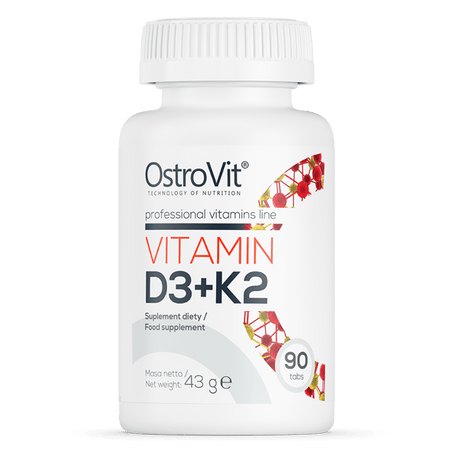
 10% off
Ostrovit
Ostrovit Vitamin D3 + K2 - 90 Tablets
Sale price €2.78 Regular price €3.09Unit price€0.03 each


 5% off
Osavi
Osavi Vitamin D3 + K2, Oral Spray, Peppermint Flavour - 25 ml
Sale price €10.39 Regular price €10.99Unit price€4.16 /10ml
 25% off
Vitaler's
Vitaler's Vitamin D3 4000 IU, drops - 30 ml
Sale price €4.11 Regular price €5.49Unit price€1.37 /10ml
 5% off
Life Extension
Life Extension Vitamin D3 75 mcg (3000 IU) EU - 120 Softgels
Sale price €14.24 Regular price €14.99Unit price€0.12 each


Dosage: How Much Vitamin D3 Do You Need?
Dosage recommendations vary by age, baseline blood levels, body weight, and individual circumstances. General guidance for adults in central and northern Europe:
- 800–1000 IU/day — standard maintenance dose recommended by most European health authorities for adults with adequate sun exposure in summer
- 1500–2000 IU/day — widely recommended for adults with limited sun exposure or at risk of deficiency, including most adults during autumn and winter in northern/central Europe
- 4000 IU/day — the tolerable upper intake level established by the European Food Safety Authority (EFSA) for adults; doses in this range are used clinically to correct deficiency under medical supervision
For infants, the standard recommendation across European paediatric guidelines is 400 IU/day from birth, with some guidelines recommending up to 1000 IU/day depending on risk factors. Children aged 1–17 are generally recommended 600–1000 IU/day. Dosage for children should always be discussed with a healthcare professional.
This article is for information only and does not replace medical advice. If you have health concerns, are pregnant, breastfeeding or taking medication, consult a doctor or pharmacist. Dietary supplements are not a substitute for a varied diet.


