

Ylang ylang essential oil is extracted by steam distillation from the flowers of Cananga odorata — a tropical tree native to the Pacific islands, Madagascar, and parts of Southeast Asia. The flowers are among the most intensely fragrant in the botanical world, and the oil distilled from them has been prized for centuries as a perfumery ingredient, aphrodisiac, and medicinal preparation. Today, ylang ylang remains a cornerstone of luxury perfumery — famously used in Chanel No. 5 — and continues to earn its place in aromatherapy, natural cosmetics, and hair care through a combination of compelling scent and a well-documented range of therapeutic properties.
Ylang Ylang Essential Oil: Key Properties
Ylang ylang essential oil's complex chemical composition includes linalool, benzyl acetate, germacrene, caryophyllene, and p-cresyl methyl ether, among others — a profile that creates its characteristic layered scent of sweet flowers, soft spice, and light fruit. Linalool and benzyl acetate are responsible for the oil's calming and antidepressant-adjacent effects, while caryophyllene contributes anti-inflammatory activity. The oil's documented hypotensive effect — its ability to reduce and regulate blood pressure — is one of its more clinically noted properties.
Ylang ylang essential oil is valued for its antibacterial, antifungal, anti-inflammatory, hypotensive, antidepressant, sedative, aphrodisiac, and skin-conditioning properties. Its action on the nervous system is deeply relaxing, and it has a well-established reputation for supporting emotional balance, sensual atmosphere, and restful sleep. Find it alongside other aromatherapy oils in our essential oil singles collection.


 25% off
Bilovit
Bilovit Ylang-ylang Essential Oil - 30 ml
Sale price €7.19 Regular price €9.59Unit price€7.19 /10ml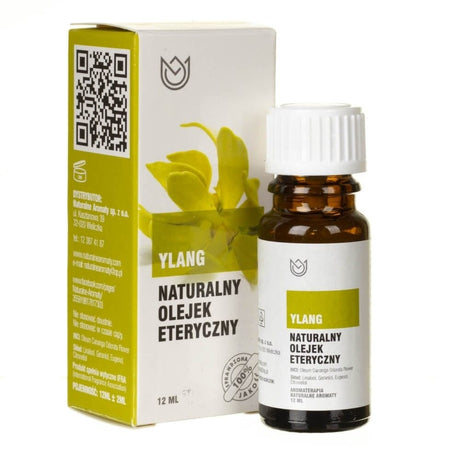

Naturalne Aromaty
Naturalne Aromaty Essential Oil Ylang - 12 ml
Regular price €4.29Unit price€35.75 /100ml


Mood, Relaxation, and Emotional Wellbeing
Ylang ylang's most celebrated application in aromatherapy is its profound effect on the emotional and nervous system. Its rich, floral-spicy scent is one of the most studied for anxiety reduction, mood elevation, and stress relief. Research supports its use for lowering cortisol-related tension, reducing the physical symptoms of chronic stress — including elevated heart rate and blood pressure — and promoting a sense of calm and emotional warmth.
Unlike more stimulating essential oils, ylang ylang tends to produce relaxation without sedation at lower concentrations, and deeper sedation and sleep support when used more intensively in the evening. This makes it a flexible tool across the day: a few drops in a diffuser during a stressful afternoon provide gentle calming and mood support, while a bath or room diffusion in the evening creates conditions for deep, restorative sleep. Those experiencing chronic fatigue, anxious mood, or difficulty unwinding will likely find it one of the more immediately effective single oils to explore. Browse the aromatherapy collection for diffusers and accessories.
Sensual Atmosphere and Intimate Wellbeing
Ylang ylang has one of the oldest reputations in traditional use as an aphrodisiac. In its native regions, ylang ylang flowers are traditionally strewn on the marriage bed, and the oil's sensual, intoxicating scent has been associated with romantic and intimate occasions across diverse cultures. From an aromatherapy perspective, the oil's ability to reduce inhibition-promoting anxiety and nervous tension, combined with its documented effect on mood and sensory receptivity, supports its use in intimate contexts.
Couples experiencing reduced intimacy due to stress, fatigue, or emotional distance may find ylang ylang a gentle, non-intrusive tool for creating a more relaxed and sensually inviting atmosphere. Diffused in a bedroom, incorporated into a massage oil, or added to bathwater, it transforms the environment in a way that is genuinely therapeutic as much as atmospheric. For a complete overview of sensual and intimate wellness products available at Medpak, explore our sexual health and wellness collection.
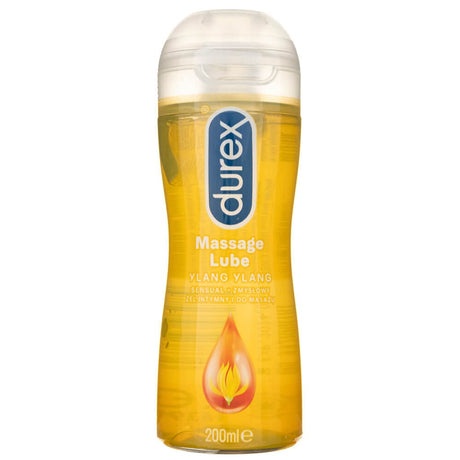

Durex
Durex Play Massage 2in1 Massage Gel with Ylang Flower - 200 ml
Regular price €7.79Unit price€3.90 /100ml


Cardiovascular and Blood Pressure Support
One of ylang ylang's more clinically documented properties is its hypotensive effect — its ability to lower and regulate blood pressure when inhaled. Several studies have demonstrated that inhalation of ylang ylang essential oil produces measurable reductions in systolic and diastolic blood pressure, as well as reduced pulse rate. This makes it a potentially valuable complementary tool for those managing mild to moderate hypertension or stress-induced cardiovascular tension, though it is not a substitute for medical treatment.
The mechanism is primarily neurological: ylang ylang's calming effect on the autonomic nervous system reduces sympathetic activation — the "fight or flight" response — which in turn reduces the cardiovascular load. Regular aromatherapy use in this context is best approached as one component of a broader stress-management and cardiovascular health routine.
Skin and Hair Care
Ylang ylang essential oil is a well-regarded ingredient in natural cosmetics, particularly for acne-prone, oily, and mature skin. Its antibacterial properties help reduce surface pathogens that contribute to breakouts, while its moisturising and anti-inflammatory effects support healing and reduce the likelihood of scarring. Applied in a diluted formulation, it tones and balances the skin, contributing to a clearer, more luminous complexion over time.
For hair and scalp, ylang ylang oil is valued for its nourishing and conditioning properties. It helps restore shine and softness to dry or damaged hair, balances scalp oiliness, and may strengthen the hair shaft with consistent use. A few drops added to a warm carrier oil and massaged into the scalp before washing is a simple, effective scalp treatment. The oil also provides a degree of UV protection, helping to shield both skin and hair from the drying and oxidative damage caused by sun exposure.
How to Blend and Use Ylang Ylang Essential Oil
Ylang ylang is a middle-to-base note in perfumery — rich, sweet-floral, and long-lasting. It is one of the more powerful essential oils in terms of scent intensity, and should always be used in moderation; too much can become overwhelming and headache-inducing. In blending, a little goes a long way:
- With jasmine and orange or mandarin — a sweet, romantic floral-citrus combination for diffusion or natural perfume; warm and deeply feminine.
- With patchouli and frankincense — an exotic, earthy, deeply sensual blend; well suited to meditation, massage, and evening atmosphere.
- With lavender and cedarwood — floral depth grounded by wood and calm; one of the most effective sleep and relaxation combinations.
- With geranium and bergamot — a floral-citrus balance that is uplifting yet composed; suitable for baths, body care, and daytime diffusion.
- With rose or sandalwood — classic, timeless pairings found in many luxury fragrances; deeply romantic and long-lasting on skin.
Dilute to 0.5–1% for facial applications (ylang ylang is potent — less is more on sensitive skin). For body massage or bath use, 1–2% in a carrier oil is appropriate. For diffusion, start with just 2–3 drops and assess the intensity before adding more. Ylang ylang blends beautifully with jojoba, argan, and sweet almond carrier oils. The oil is for external use and inhalation only — not for ingestion.
This article is for information only and does not replace medical advice. If you have health concerns, are pregnant, breastfeeding or taking medication, consult a doctor or pharmacist. Dietary supplements are not a substitute for a varied diet.


