

More people than ever are paying attention to their gut health, recognising the profound connection between digestive wellness and overall vitality. At the heart of this growing awareness are probiotics, supplements containing live beneficial bacteria and yeasts that support the delicate ecosystem within your digestive tract. While many travellers reach for probiotics before visiting tropical destinations, these versatile supplements offer everyday benefits that extend far beyond holiday preparation.
What Are Probiotics
Probiotics are dietary supplements containing live microorganisms, primarily bacteria and yeasts, that provide health benefits when consumed in adequate amounts. Your gut is home to approximately four trillion bacteria representing around 450 different species, collectively known as the gut microbiome. This complex community of microorganisms plays an essential role in digestion, nutrient absorption, and immune function.
The most commonly used probiotic bacteria belong to the Lactobacillus and Bifidobacterium families, while beneficial yeasts such as Saccharomyces boulardii are also widely utilised. Each strain has been selected for its specific health-supporting properties and ability to survive the challenging journey through your digestive system.
For a bacterial strain to qualify as a probiotic, it must demonstrate proven health benefits through rigorous scientific testing. Quality probiotic products undergo extensive laboratory and clinical evaluation before reaching consumers. A reliable probiotic should be resistant to stomach acid and bile, ensuring the bacteria arrive alive in your intestines where they can exert their beneficial effects.
Natural Food Sources of Probiotics
Before probiotic supplements became widely available, people obtained beneficial bacteria through fermented foods that have been part of traditional diets for centuries. These natural probiotics remain excellent options for supporting gut health through everyday nutrition.
Yogurt and kefir are among the most popular probiotic-rich foods, offering live cultures alongside protein and calcium. Look for products labelled with "live and active cultures" to ensure you are getting genuine probiotic benefits. Many dairy products now include additional bacterial strains to enhance their gut-supporting properties.
Fermented vegetables provide another valuable source of natural probiotics. Traditional sauerkraut, kimchi, and naturally fermented pickles contain beneficial bacteria developed during the fermentation process. However, it is important to note that pasteurised or vinegar-based products do not offer the same probiotic benefits, as the heat treatment or acidification eliminates the live cultures.
Kombucha, a fermented tea beverage, has gained popularity as a refreshing way to incorporate probiotics into your routine. Other options include miso, tempeh, and certain aged cheeses. Including a variety of these fermented foods in your diet can help maintain a diverse and healthy gut microbiome.
Understanding Probiotic Bacteria Strains
Not all probiotics are created equal. Different bacterial strains offer different benefits, which is why understanding the specific strains in your probiotic can help you choose the right product for your needs.
Lactobacillus acidophilus is one of the most researched probiotic strains, known for supporting digestive comfort and nutrient absorption. Bifidobacterium bifidum may help maintain regular bowel function and support the gut barrier. Lactobacillus rhamnosus GG has been extensively studied for its potential to support digestive health during travel and antibiotic use.
When selecting a probiotic, look for products that clearly state the genus, species, and strain of bacteria included. The colony-forming units (CFUs) indicate the number of viable bacteria per dose. While higher CFU counts are not always better, ensuring adequate potency is important for effectiveness. Our selection of probiotic supplements at Medpak includes carefully chosen products from trusted brands, offering various strains and potencies to suit different needs.
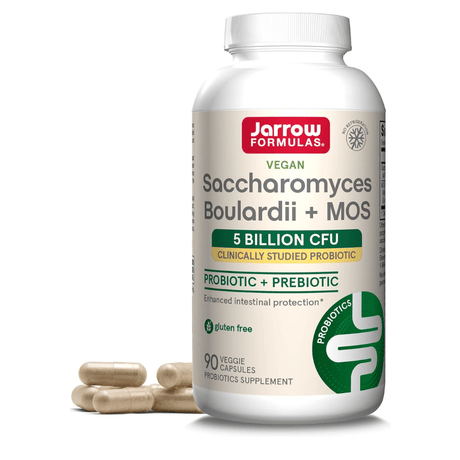


Jarrow Formulas
Jarrow Formulas Saccharomyces Boulardii Plus MOS - 90 Veg Capsules
Regular price €33.59Unit price€0.37 each
Swanson
Swanson Epic Pro 25-Strain Probiotic - 30 Veg Capsules
Regular price €14.39Unit price€0.48 each


Aliness
Aliness ProbioBalance Rhamnosus GG Balance 5 billion Probiotic - 30 Veg Capsules
Regular price €9.49Unit price€0.32 each


How Probiotics Support Your Body
The benefits of probiotics extend throughout your body, reflecting the far-reaching influence of gut health on overall wellness. Here is how these beneficial microorganisms may support your health.
Probiotics help maintain the balance of your gut microbiome by competing with potentially harmful bacteria for space and resources. They support the integrity of the intestinal barrier, which helps prevent unwanted substances from entering your bloodstream. This barrier function is fundamental to digestive comfort and may influence immune responses.
Your gut microbiome plays a significant role in immune function, with an estimated 70 percent of immune cells residing in the gut. Probiotics may support your body's natural defences by promoting a healthy balance of gut bacteria and supporting immune cell activity.
Many people find that probiotics help maintain comfortable digestion and regular bowel habits. They may be particularly helpful during times when your digestive system faces challenges, such as dietary changes, stress, or travel to unfamiliar destinations where you encounter new microorganisms.
Additional Ways Probiotics May Help
Research continues to explore the diverse ways probiotics may support health. Some strains have been studied for their potential to support nutrient absorption, particularly B vitamins and minerals. Others may help maintain comfortable digestion of dairy products in those with lactose sensitivity.
Women may find certain probiotic strains helpful for maintaining intimate health, as the vaginal microbiome benefits from a healthy balance of Lactobacillus species. Probiotics designed for women's health often include strains specifically selected for this purpose.
When to Consider Taking Probiotics
While probiotics can benefit almost anyone interested in supporting their gut health, certain situations make supplementation particularly relevant.
Antibiotic treatment, while necessary for fighting bacterial infections, can disrupt your gut microbiome by eliminating beneficial bacteria alongside harmful ones. Taking probiotics during and after antibiotic therapy may help maintain microbial balance and support digestive comfort. It is generally recommended to take probiotics at least two hours apart from antibiotics to avoid interference. Rebuilding a healthy microbiome after antibiotics can take several months, making consistent probiotic use during this period especially valuable.
Travellers heading to tropical or developing regions often benefit from probiotic support. Exposure to unfamiliar bacteria, changes in diet, and climate differences can challenge your digestive system. Starting probiotics before departure and continuing throughout your trip may help maintain digestive comfort during your travels.
Individuals experiencing occasional digestive discomfort, irregular bowel habits, or bloating may find probiotics helpful as part of their wellness routine. Those with busy, stressful lifestyles that affect eating habits may also benefit from additional microbiome support.
Probiotics for Children
Children can benefit from probiotics too, as their developing microbiomes influence digestive health, immune function, and overall wellness. The gut microbiome begins developing from birth and continues to mature throughout childhood, making early support potentially valuable.
Probiotic supplements designed for children's health come in age-appropriate formats such as drops for infants and chewable tablets for older children. These formulations contain carefully selected strains and dosages suitable for young digestive systems.
Parents should always follow age-appropriate dosing guidelines and consult with a healthcare provider before starting probiotics for young children, particularly infants. While probiotics are generally well-tolerated, proper dosing is important to avoid overwhelming a child's developing digestive system.


Aliness
Aliness ProbioBalance Kids Probiotics & Prebiotics - 30 Veg Capsules
Regular price €7.99Unit price€0.27 each
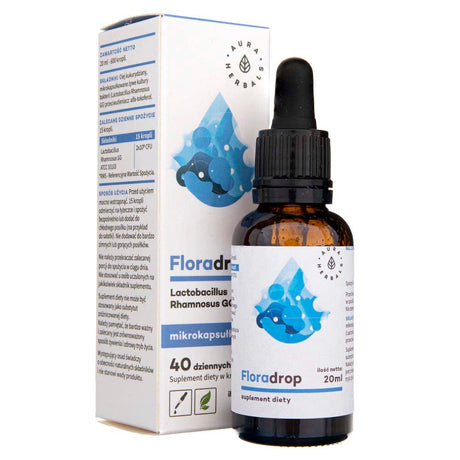


Aura Herbals
Aura Herbals Floradrop - Lactobacillus Rhamnosus GG - 20 ml
Regular price €6.59Unit price€32.95 /100ml


How to Take Probiotics Effectively
Getting the most from your probiotic supplement involves understanding how and when to take it. While specific instructions vary by product, some general principles apply.
Probiotics are available in various forms, including capsules, tablets, powders, and liquids. Each format offers advantages depending on your preferences and needs. Capsules provide convenience and precise dosing, while liquids may be easier for those who have difficulty swallowing pills.
Timing recommendations vary among products and experts. Some suggest taking probiotics with meals, as food can buffer stomach acid and may improve bacterial survival. Others recommend taking them on an empty stomach or before bed, when digestive activity slows and bacteria have more time to colonise the intestines. Following the manufacturer's specific instructions is generally the best approach.
Consistency matters more than perfect timing. Taking your probiotic regularly allows beneficial bacteria to establish themselves in your gut ecosystem. Many people incorporate probiotics into their morning or evening routine to ensure consistent use.
Safety and Considerations
Probiotics are generally considered safe for most healthy individuals and are well-tolerated when used as directed. Since they contain microorganisms naturally present in the human body, adverse reactions are uncommon.
Some people may experience mild digestive symptoms such as bloating or gas when first starting probiotics, particularly at higher doses. These effects typically resolve as your body adjusts. Starting with a lower dose and gradually increasing can help minimise initial discomfort.
While probiotics are safe for most people, certain individuals should consult a healthcare provider before use. This includes those with compromised immune systems, serious underlying health conditions, or those who have recently undergone surgery. Pregnant and breastfeeding women should also seek professional guidance, though many probiotic strains have excellent safety profiles during pregnancy.
Key Takeaway: Probiotics offer a natural way to support your gut microbiome, digestive comfort, and overall wellness. Whether through fermented foods or quality supplements, maintaining a healthy balance of beneficial bacteria can contribute to how you feel every day. Choose products with clearly identified strains, appropriate potency, and follow usage guidelines for the best results. Explore our full range of vitamins and supplements to support your complete wellness journey.
This article is for information only and does not replace medical advice. If you have health concerns, are pregnant, breastfeeding or taking medication, consult a doctor or pharmacist. Dietary supplements are not a substitute for a varied diet.


