

Among the diverse group of medicinal mushrooms used in East Asian medicine, maitake (Grifola frondosa) occupies a distinctive position. Known in Japan as the "dancing mushroom" — a name whose origin is contested but most likely refers to the cascading, overlapping form of its fronds — maitake has been consumed as food and used medicinally in China and Japan for approximately 3,000 years. In the West it remained largely unknown until commercial cultivation became feasible in the 1980s, after which it began attracting serious scientific attention. Its beta-glucan content, in particular, has generated a substantial body of research. Here is a factually grounded overview of what maitake contains, what the evidence supports, and how to use it.
What Is Maitake?
Grifola frondosa is a polypore fungus — a type of mushroom that forms large, overlapping, fan-shaped fronds at the base of oak, elm, and other deciduous trees. Wild maitake can grow to exceptional sizes, sometimes exceeding 50 cm in diameter. It is native to East Asia but now found across temperate deciduous forests in North America and Europe as well, following the spread of cultivated stock. In Poland it is known as żagwica listkowata.
Maitake belongs to a broader category of fungi sometimes called "adaptogenic mushrooms" or "medicinal mushrooms" — a grouping that includes reishi (Ganoderma lucidum), shiitake (Lentinula edodes), lion's mane (Hericium erinaceus), and chaga (Inonotus obliquus). While each has a distinct bioactive profile and specific areas of research focus, they share a common foundation of immunomodulatory polysaccharides — primarily beta-glucans — that are the best-studied compounds in the medicinal mushroom category.
Active Compounds and Nutritional Profile
Maitake's therapeutic interest rests primarily on its polysaccharide fraction, particularly a specific type of beta-glucan designated D-fraction — a branched 1,3/1,6 beta-D-glucan unique to maitake that has been the subject of most of the species' clinical research. Beyond D-fraction, maitake contains:
- Additional polysaccharides and glycoproteins — contributing to immune-modulating activity
- Ergosterol — the precursor to vitamin D2 in fungi; converted to vitamin D when exposed to UV light
- B vitamins — including B1, B2, B3, and B5
- Minerals — including calcium, magnesium, potassium, and copper
- Complete protein — all essential amino acids are present, though in modest quantities
- Dietary fibre — contributing to gut health and metabolic function
- Antioxidant compounds — including phenolic acids and ergothioneine, a unique amino acid antioxidant concentrated in mushrooms
What the Research Shows
Immune Modulation
Maitake's D-fraction beta-glucans bind to pattern-recognition receptors on macrophages, dendritic cells, and natural killer (NK) cells, activating innate immune responses and enhancing the adaptive immune response downstream. This is the most thoroughly investigated aspect of maitake's biology. A 2017 randomised controlled trial found that maitake supplementation enhanced antibody response to influenza vaccination while also reducing common cold symptoms in healthy adults. Laboratory research demonstrates increased NK cell activity, neutrophil function, and cytokine production relevant to pathogen defence.
It is important to contextualise this activity: maitake's immunomodulatory effects mean it can both stimulate an underactive immune response and moderate an overactive one. This context-dependent modulation is a characteristic shared with many medicinal mushrooms and is one reason they are classified as adaptogens. Our immune system collection includes maitake alongside other evidence-based immune support options.
Blood Glucose and Metabolic Health
Several studies — primarily in animal models, with some human observational data — have examined maitake's effects on blood glucose regulation. The proposed mechanisms involve improvement in insulin sensitivity at the cellular level, modulation of glucose absorption in the gut, and effects on hepatic glucose metabolism. A series of Japanese studies demonstrated measurably lower blood glucose levels in diabetic rats fed maitake compared to controls. Human clinical data remains limited, but the mechanistic basis is credible. Beta-glucans from oats and barley — a related class of compounds — have EFSA-approved health claims for blood sugar management, providing further plausibility.
Cardiovascular and Lipid Effects
Maitake beta-glucans have shown antihypertensive effects in animal studies, with mechanisms overlapping with those of some blood pressure medications. Research by Preuss and colleagues documented measurable reductions in hypertension in ageing rats fed maitake. Beta-glucans from maitake also appear to reduce total cholesterol and triglycerides through effects on fat metabolism in the liver. The evidence base here is predominantly preclinical, but is consistent and plausible. Beta-glucan's cholesterol-lowering effect is well established from oat and barley research, and maitake's beta-glucan fraction shares relevant structural features.
Anticancer Research — Important Context
Maitake D-fraction has been studied in the context of cancer, with some findings of interest in laboratory and small-scale clinical settings — including research suggesting enhanced immune activity against certain cancer cell lines and some human studies indicating improved immune parameters in cancer patients. However, this research is preliminary, and it is critical to state clearly: maitake is not a cancer treatment. Clinical evidence for anticancer benefit is not established, and maitake should never replace conventional oncological care. The interest in maitake as a complementary support (not replacement) during cancer treatment comes from its well-documented immune support properties.
Liver Support
Preclinical studies have found that maitake prevents triglyceride accumulation in liver cells and reduces hepatic lipid oxidative stress. The antioxidant compounds in the mushroom — particularly ergothioneine — may contribute to protecting liver cells from free-radical damage. This research is supportive but preliminary for human applications.
Maitake Supplements at Medpak
We carry maitake in standalone supplement form from Vitaler's and MycoMedica, as well as Solgar's well-established three-mushroom combination product pairing maitake with reishi and shiitake:


 25% off
Vitaler's
Vitaler's Maitake 500 mg - 60 Capsules
Sale price €8.31 Regular price €11.09Unit price€0.14 each 15% off
Solgar
Solgar Reishi Shiitake Maitake Mushroom Extract - 50 Veg Capsules
Sale price €20.13 Regular price €23.69Unit price€0.40 each


The Broader Medicinal Mushroom Category at Medpak
Maitake is part of a wider family of fungi that share immunomodulatory beta-glucan activity, each with distinct additional properties:
- Reishi (Ganoderma lucidum) — the most studied medicinal mushroom overall; known for adaptogenic, anti-inflammatory, and calming properties; used for stress, sleep, and immune resilience
- Lion's Mane (Hericium erinaceus) — uniquely associated with nerve growth factor (NGF) stimulation; the most research-backed mushroom for cognitive support and neurological health
- Cordyceps (Cordyceps sinensis / militaris) — used for energy, athletic endurance, and adrenal support; well studied in the context of exercise performance
- Chaga (Inonotus obliquus) — exceptionally high antioxidant content; used for immune support and inflammatory conditions
- Shiitake (Lentinula edodes) — both culinary and medicinal; studied for cardiovascular and immune benefits via its beta-glucan and lentinan content
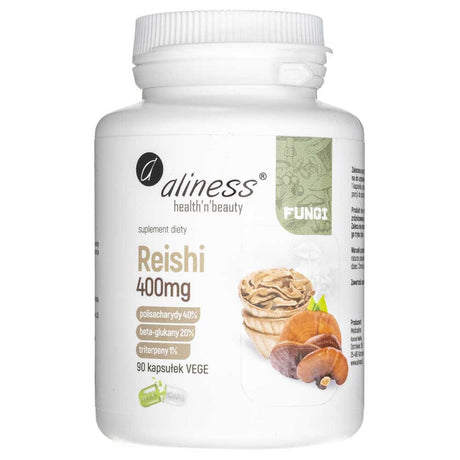


Vitaler's
Vitaler's Cordyceps (Chinese Caterpillar Fungus) 500 mg - 60 Capsules
Regular price €8.99Unit price€0.15 each
Swanson
Swanson Full Spectrum Chaga Mushroom 400 mg - 60 Capsules
Regular price €8.19Unit price€0.14 each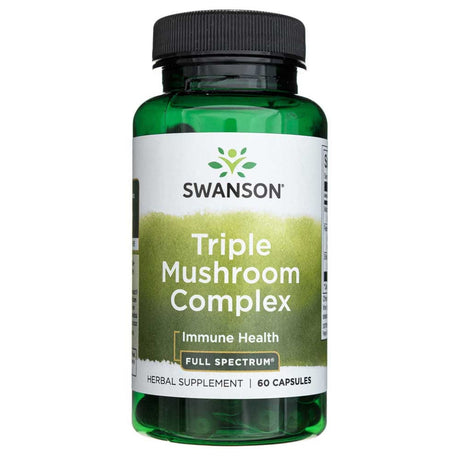


Swanson
Swanson Full Spectrum Triple Mushroom Complex - 60 Capsules
Regular price €7.79Unit price€0.13 each


Dosage and Safety
Maitake is generally very well tolerated. Whole mushroom consumption at culinary quantities is safe without known adverse effects. For supplement use, clinical studies have used doses in the range of 350–500 mg of extract per day; some studies have used higher doses. Starting with lower doses and increasing gradually is sensible, particularly for individuals with sensitive digestive systems.
This article is for information only and does not replace medical advice. If you have health concerns, are pregnant, breastfeeding or taking medication, consult a doctor or pharmacist. Dietary supplements are not a substitute for a varied diet.


