

Cholesterol is one of the most discussed subjects in preventive health — and one of the most misunderstood. It is not simply a dietary villain or a number to minimise; it is an essential molecule without which life is impossible. But when the balance between its different transport forms is disrupted — particularly when LDL-cholesterol is chronically elevated — the consequences for cardiovascular health are serious and well-documented. Understanding what cholesterol is, what the numbers mean, and which interventions are most evidence-supported helps anyone take informed, proportionate action.
What Is Cholesterol and Why Does the Body Need It?
Cholesterol is a sterol — a type of lipid — that is an essential structural component of every cell membrane in the body. Without cholesterol, cell membranes cannot maintain appropriate fluidity and permeability, and the regulation of what passes into and out of cells would fail. Beyond cell structure, cholesterol is the precursor molecule for several critically important substances: steroid hormones (including oestrogen, testosterone, progesterone, and cortisol), bile acids (required for fat digestion and absorption), and vitamin D3. Approximately 75–80% of the body's cholesterol is synthesised endogenously — primarily in the liver — while the remainder comes from the diet. This is why dietary cholesterol has a more modest impact on blood cholesterol levels than previously thought; the liver adjusts its own production in response to dietary intake.
Cholesterol travels through the bloodstream not freely, but packaged in protein-lipid complexes called lipoproteins. The two most clinically relevant are LDL (low-density lipoprotein) and HDL (high-density lipoprotein), whose different roles in cholesterol transport explain the "good" and "bad" cholesterol distinction.
LDL and HDL: Understanding the Difference
LDL cholesterol carries cholesterol from the liver to peripheral tissues. When LDL levels are elevated — particularly for sustained periods — LDL particles can penetrate the walls of arteries, oxidise, and trigger an inflammatory response. This initiates the formation of atherosclerotic plaques: deposits of oxidised lipid, inflammatory cells, calcium, and fibrous tissue within the arterial wall. These plaques gradually narrow the arterial lumen, reduce blood flow, and can rupture — triggering the blood clots that cause the majority of heart attacks and strokes. This is the mechanism behind LDL's designation as the primary atherogenic lipoprotein.
HDL cholesterol performs a different role — it collects excess cholesterol from peripheral tissues and arterial walls and returns it to the liver for processing and excretion (reverse cholesterol transport). Higher HDL levels are associated with lower cardiovascular risk, and HDL is considered a protective factor. Importantly, raising HDL without also reducing LDL does not necessarily confer the same degree of protection; the relationship is more complex than simple arithmetic.
Triglycerides — another blood lipid measured in the standard lipid panel — are elevated by refined carbohydrate and sugar consumption, alcohol, physical inactivity, and obesity. Elevated triglycerides compound cardiovascular risk, particularly when combined with low HDL and elevated LDL.
Reference Ranges: What the Numbers Mean
The following values represent standard European reference ranges for a fasting lipid panel in adults without cardiovascular disease:
- Total cholesterol — below 5.0 mmol/L (approximately 190 mg/dL); values above 6.2 mmol/L (240 mg/dL) indicate high risk
- LDL cholesterol — below 3.0 mmol/L (115 mg/dL) for low-risk individuals; below 2.6 mmol/L (100 mg/dL) for moderate risk; below 1.8 mmol/L (70 mg/dL) for high risk (e.g. established cardiovascular disease, diabetes with organ damage)
- HDL cholesterol — above 1.0 mmol/L (40 mg/dL) in men; above 1.2 mmol/L (46 mg/dL) in women
- Triglycerides — below 1.7 mmol/L (150 mg/dL)
These thresholds are not absolute — they are interpreted alongside total cardiovascular risk profile. A person with a borderline LDL but no other risk factors is in a very different position to someone with the same LDL who also has diabetes and hypertension.
Causes of Elevated Cholesterol
Hypercholesterolaemia can result from lifestyle factors, dietary patterns, genetic predisposition, or a combination of all three:
- Dietary saturated and trans fatty acids — the most modifiable dietary driver of LDL elevation. Saturated fat (found in red meat, full-fat dairy, palm and coconut oil) upregulates hepatic LDL receptor activity in a way that ultimately elevates circulating LDL. Trans fats — found in partially hydrogenated vegetable oils and many processed foods — raise LDL while simultaneously lowering HDL.
- Physical inactivity — regular aerobic exercise raises HDL and lowers triglycerides; its absence contributes to an unfavourable lipid profile.
- Excess body weight — obesity, particularly central/visceral adiposity, is consistently associated with elevated triglycerides, reduced HDL, and a shift toward smaller, denser LDL particles that are more atherogenic.
- Smoking — reduces HDL, promotes LDL oxidation (the critical step in plaque formation), and damages vascular endothelium.
- Familial hypercholesterolaemia (FH) — a genetic condition affecting approximately 1 in 250 people in Europe, characterised by severely elevated LDL from birth due to impaired LDL receptor function. FH requires early identification and typically pharmaceutical treatment.
- Secondary causes — hypothyroidism, type 2 diabetes, chronic kidney disease, and certain medications (including corticosteroids and some antihypertensives) can elevate cholesterol as a secondary effect.
Symptoms and Consequences: Why High Cholesterol Cannot Be Ignored
High LDL cholesterol has no symptoms in the early and middle stages — this is precisely what makes it dangerous. Most people are unaware their levels are elevated until a cardiovascular event occurs or a routine blood test reveals the problem. The only visible external signs — xanthelasma (yellowish deposits around the eyelids) and xanthomas (yellowish plaques on tendons or skin) — occur primarily in familial hypercholesterolaemia and are not typical of common dietary hypercholesterolaemia.
The consequences of sustained LDL elevation over years or decades include: atherosclerosis (hardening and narrowing of the arteries), coronary artery disease and angina, myocardial infarction (heart attack), stroke, and peripheral artery disease. Cholesterol screening every 3–5 years from age 20 is recommended as standard preventive care, and annually for those with established risk factors.
Dietary Interventions with the Strongest Evidence
Diet modification is the cornerstone of non-pharmacological cholesterol management and can produce meaningful LDL reductions when implemented consistently:
- Replace saturated fat with unsaturated fat — replacing butter, red meat, and full-fat dairy with olive oil, avocado, nuts, and fatty fish (rich in omega-3) reduces LDL and improves the overall lipid profile. This substitution — not merely reducing total fat — is the key dietary lever.
- Increase soluble dietary fibre — soluble fibre (from oats, psyllium husk, legumes, fruit, and vegetables) forms a viscous gel in the small intestine that binds bile acids. This forces the liver to synthesise new bile acids from cholesterol, drawing down LDL in the process. Even 5–10 g of soluble fibre per day produces a clinically meaningful LDL reduction.
- Fatty fish 2–3 times weekly — EPA and DHA from marine sources reduce triglycerides significantly (by 15–30% at therapeutic doses) and have modestly favourable effects on other lipid parameters.
- Plant sterols and stanols — found naturally in small amounts in plant foods and available in enriched functional foods (margarines, yoghurts), these compounds compete with cholesterol absorption in the intestine. A dose of 2 g/day reduces LDL by approximately 10%.
- Reduce refined sugar and refined carbohydrates — directly relevant to triglyceride management; excess sugar is converted to triglycerides by the liver.
Physical Activity and Lifestyle
Regular aerobic exercise — 150 minutes of moderate intensity per week, distributed across most days — is associated with a 5–10% increase in HDL and meaningful reductions in triglycerides. Resistance exercise complements this with modest additional benefit. Smoking cessation improves HDL and reduces the oxidative modification of LDL that drives plaque formation. Weight management, particularly reduction of central adiposity, improves all lipid parameters simultaneously.
Natural Supplements with Cholesterol-Relevant Evidence
Several nutritional and botanical supplements have evidence for lipid-modulating effects. These are most appropriately used as dietary complements in people with borderline lipid profiles, or as add-ons to statin therapy (with physician guidance) in those requiring additional LDL reduction:
Omega-3 Fatty Acids (EPA and DHA)
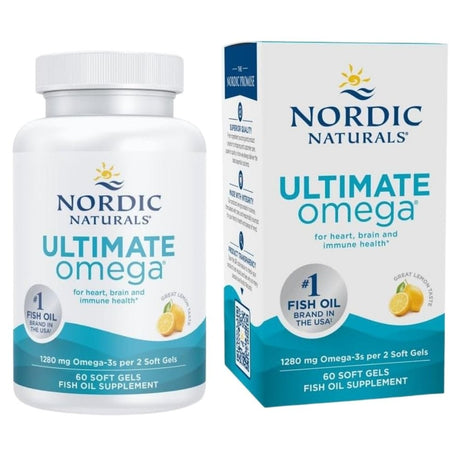
Marine omega-3 fatty acids are among the most evidence-supported dietary supplements for cardiovascular health. At doses of 2–4 g/day, EPA+DHA reduce triglycerides by 20–30%. Effects on LDL are modest and variable (LDL may slightly increase at very high doses with some formulations), but the triglyceride reduction and anti-inflammatory effects are clinically significant for cardiovascular risk reduction. Our omega-3 collection includes rigorously formulated options:


Nordic Naturals
Nordic Naturals Ultimate Omega, lemon flavour - 60 Softgels
Regular price €28.99Unit price€0.48 each


Solgar
Solgar Triple Strength Omega 3 950 mg - 50 Softgels
Regular price €24.99Unit price€0.50 each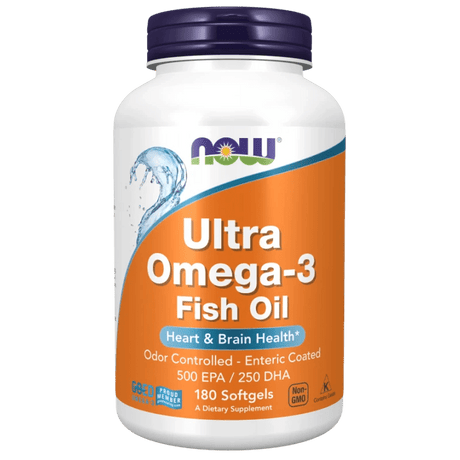
Now Foods
Now Foods Ultra Omega-3, 500 EPA / 250 DHA - 180 Softgels
Regular price €39.99Unit price€0.22 each


Now Foods
Now Foods Omega-3 Molecularly Distilled & Enteric Coated - 180 Softgels
Regular price €22.09Unit price€0.12 each


Aliness
Aliness Krill Oil NKO Omega 3 with Astaxanthin 500 mg - 60 Capsules
Regular price €16.19Unit price€0.27 each


Berberine
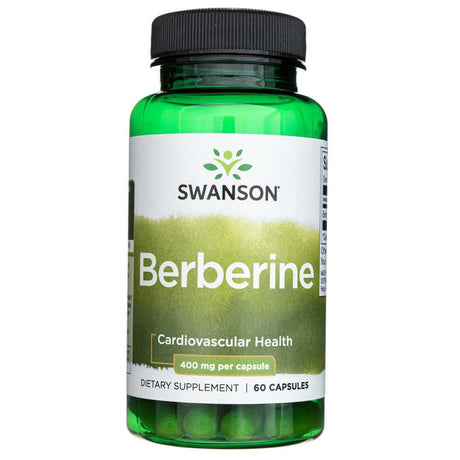
Berberine activates AMPK and upregulates LDL receptor expression in the liver — a mechanism that is complementary to and partially distinct from that of statins. Multiple randomised trials have demonstrated LDL reductions of 15–25% with berberine supplementation, along with reductions in triglycerides and improvements in glucose metabolism. It is one of the most evidence-supported botanical options for lipid management.
Coenzyme Q10 (CoQ10 / Ubiquinol)
CoQ10 does not directly lower cholesterol but is important for anyone taking statin medication. Statins inhibit the same enzymatic pathway that produces both cholesterol and CoQ10, leading to measurably reduced plasma and muscle CoQ10 levels. Statin-associated muscle symptoms (myalgia) are common side effects; CoQ10 supplementation is widely recommended alongside statin therapy as a potentially protective measure, though the clinical evidence on whether it reduces myalgia is mixed. Its independent cardiovascular antioxidant role is also well-established.


Aura Herbals
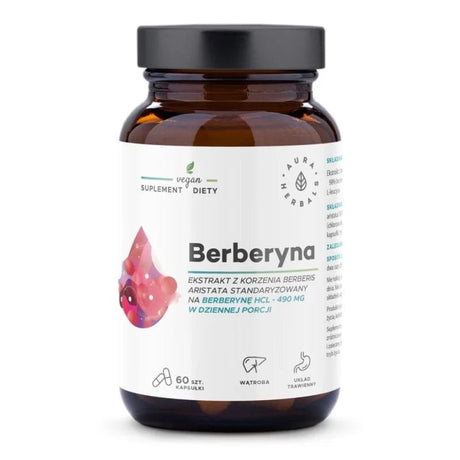
Aura Herbals Berberine (Berberis aristata) 490 mg - 60 Capsules
Regular price €10.79Unit price€0.18 each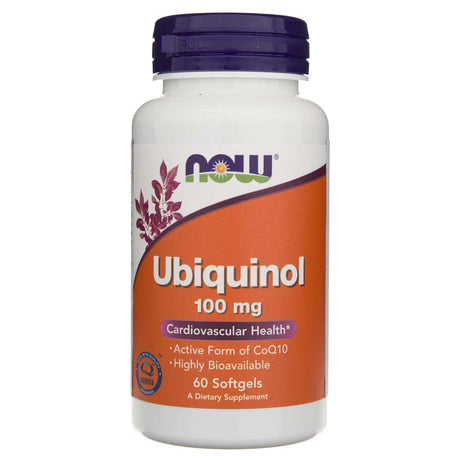




Now Foods
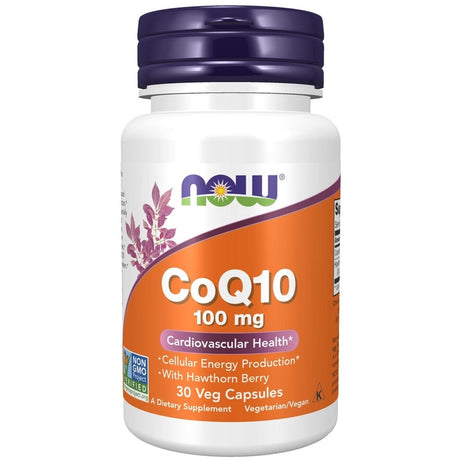
Now Foods CoQ10 100 mg with Hawthorn Berry - 30 Veg Capsules
Regular price €10.19Unit price€0.34 each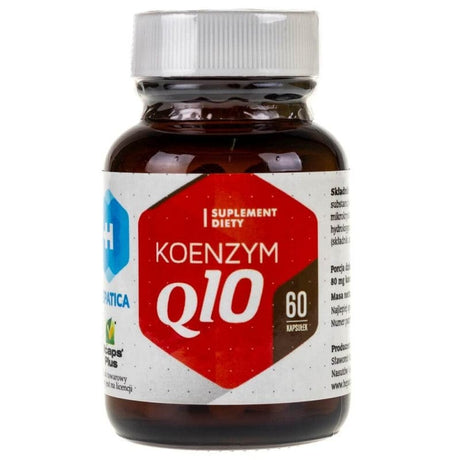


Niacin (Vitamin B3)
Niacin at pharmacological doses (1–3 g/day) has the strongest HDL-raising effect of any known substance — raising HDL by 15–30% while also reducing LDL and triglycerides. However, it causes a pronounced flushing reaction (prostaglandin-mediated skin reddening and tingling) that many find unpleasant, and its use in cardiovascular outcome trials has been disappointing. Flush-free inositol hexanicotinate forms reduce the flushing but also reduce efficacy. Niacin supplements should be used with medical guidance given the dose-dependent side effects at lipid-modulating doses.
For broader cardiovascular health support, our cardiovascular collection brings together the most relevant evidence-based options:


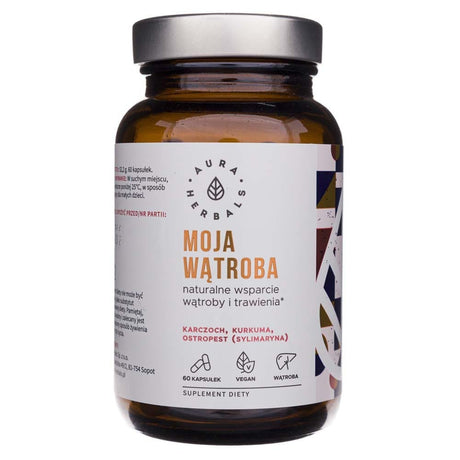


Now Foods
Now Foods Psyllium Husk 500 mg - 200 Veg Capsules
Regular price €13.49Unit price€0.07 each


When Medication Is Necessary
Statins are the most extensively evidenced class of medication for LDL reduction and cardiovascular risk reduction. They work by inhibiting HMG-CoA reductase — the rate-limiting enzyme in cholesterol synthesis — which leads to upregulation of LDL receptors in the liver and a consequent fall in circulating LDL. The evidence base for statins in preventing heart attacks and strokes in both primary and secondary prevention is among the most robust in all of medicine.
The decision to start statin therapy is based on the overall cardiovascular risk profile, not the cholesterol number alone. For people at high or very high cardiovascular risk (existing cardiovascular disease, familial hypercholesterolaemia, diabetes with organ damage), statin therapy is typically warranted regardless of specific cholesterol values. For lower-risk individuals, lifestyle modification is the appropriate first approach and may be sufficient. This decision should always involve a physician.
This article is for information only and does not replace medical advice. If you have health concerns, are pregnant, breastfeeding or taking medication, consult a doctor or pharmacist. Dietary supplements are not a substitute for a varied diet.


